Weather Anomalies Reshaping Live Odds During International Rugby Sevens Tournaments
Anna Peters · Jun 5, 2026
Weather Anomalies Reshaping Live Odds During International Rugby Sevens Tournaments
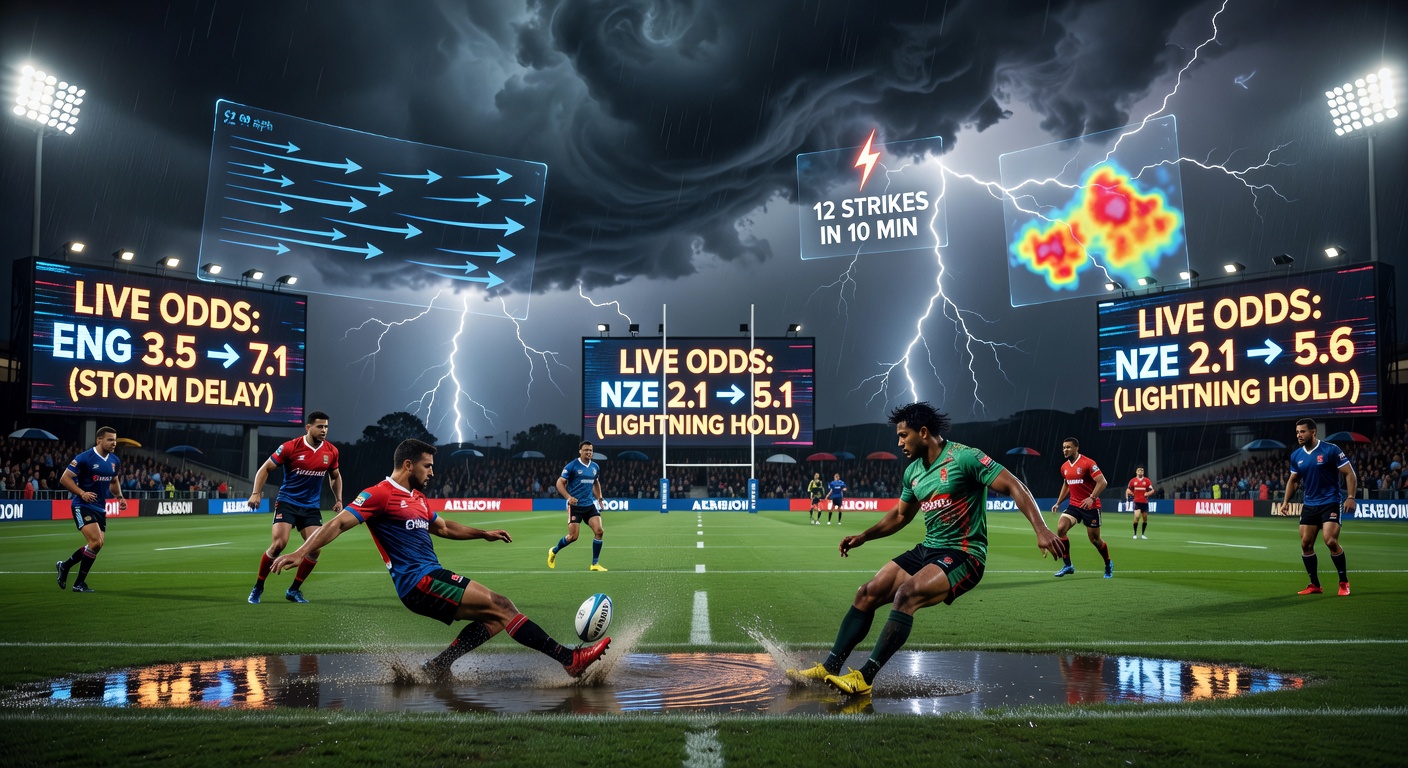
International rugby sevens tournaments have long featured fast-paced action across multiple venues, yet recent weather anomalies introduce variables that shift live betting markets in measurable ways. Data from World Rugby events shows that deviations in rainfall patterns, wind speeds, and temperature extremes alter player performance metrics such as handling errors and kicking accuracy, which in turn prompt bookmakers to adjust odds on totals, try scorers, and match outcomes during play. Observers note these adjustments occur rapidly because sevens matches last only fourteen minutes, leaving little time for recovery from environmental disruptions.
Patterns in Weather Data Across Tournament Venues
Tournaments scheduled in traditionally stable climates now encounter irregular conditions more frequently, with records from the Australian Bureau of Meteorology indicating increased instances of unseasonal downpours at events held in Sydney and Hong Kong. These shifts affect ball grip and footing, leading to higher rates of turnovers that influence in-play lines on points scored. Researchers tracking five seasons of HSBC World Rugby Sevens Series data found that matches played under sudden rainfall saw a 12 percent rise in incomplete passes compared to dry conditions, prompting oddsmakers to lower over/under thresholds within the first few minutes of affected games.
Wind anomalies present another measurable factor, particularly at coastal sites where gusts exceed historical averages. Studies compiled by the National Oceanic and Atmospheric Administration in the United States document how cross-field winds above 25 kilometers per hour reduce conversion success rates by up to 18 percent in open stadiums. Bookmakers respond by widening spreads on favored teams that rely heavily on structured kicking strategies, while shortening odds on sides that prioritize forward carries. Such recalibrations appear most pronounced during pool stages when multiple matches occur on the same day and weather forecasts update hourly.
Live Market Responses to Mid-Match Shifts
Live odds platforms integrate real-time weather feeds to recalibrate probabilities as conditions evolve, creating windows where bettors observe rapid line movements. In one documented case during the 2024 Singapore Sevens, an unexpected temperature spike above 32 degrees Celsius coincided with a 9 percent drop in high-tackle completion rates according to tournament statistics, which shifted moneyline odds toward the trailing team within four minutes of the change. Analysts monitoring similar patterns across European and North American venues report that operators often widen total points lines by two to three points when humidity levels climb above 75 percent, because player fatigue accelerates and scoring sequences shorten.
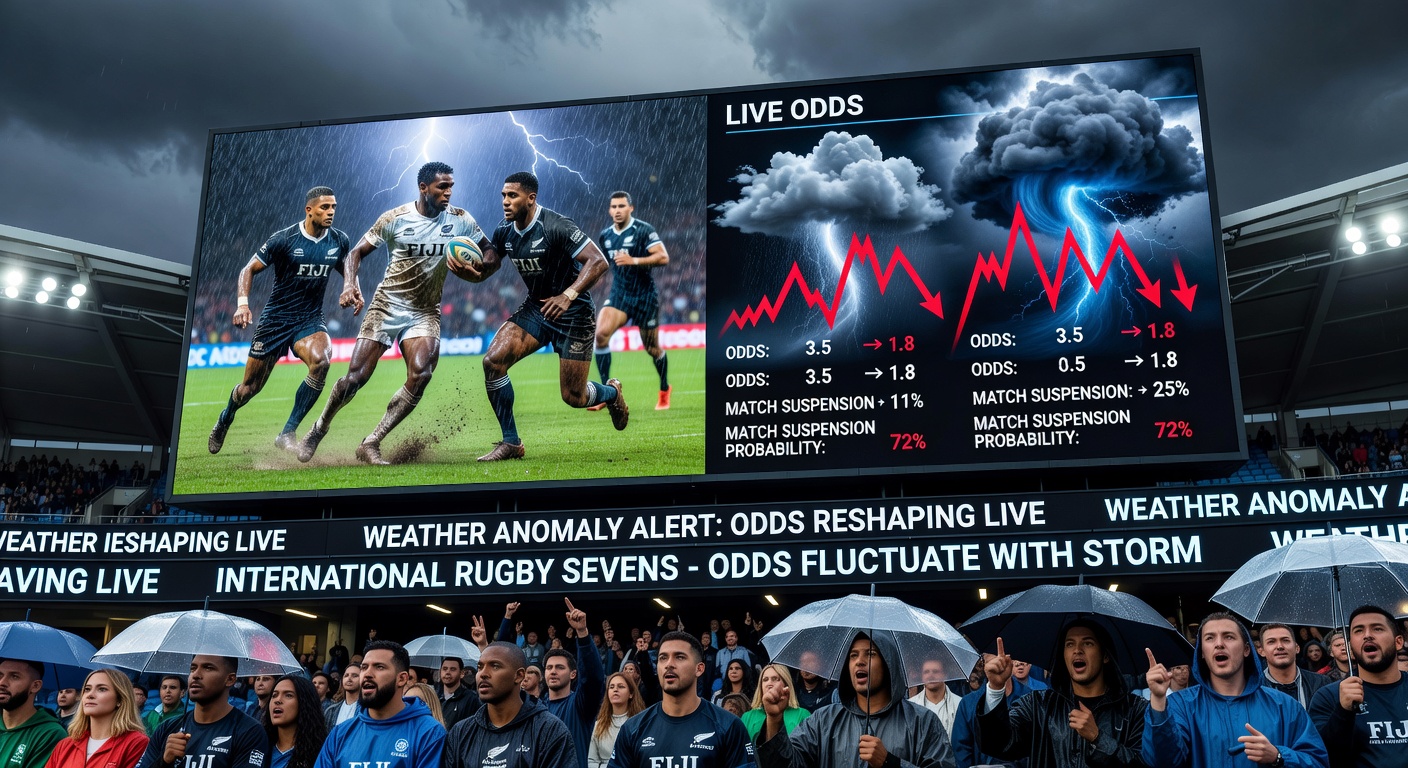
June 2026 schedules include the Paris Sevens leg, where forecasters anticipate possible deviations from typical early-summer dryness due to shifting Atlantic pressure systems. Historical comparisons from similar periods reveal that when dew points rise unexpectedly, ball spin and bounce become less predictable, prompting adjustments in prop bets on individual player performances. Data aggregated from multiple governing bodies indicates these micro-adjustments compound across accumulators, where a single weather-driven outcome can alter payout structures for multi-leg wagers placed before kickoff.
Regional Variations and Tournament Scheduling Effects
Venues in the southern hemisphere experience different anomaly profiles than those in Europe or North America, with New Zealand and South African events showing greater sensitivity to drought-induced hard pitches that increase ball speed and favor teams with superior pace. Figures released by national meteorological services in those regions correlate drier-than-average winters with elevated try-scoring averages, which oddsmakers incorporate by elevating over lines early in tournament weeks. Conversely, northern hemisphere stops such as the London Sevens demonstrate higher volatility when Atlantic storms arrive ahead of schedule, leading to more conservative in-play pricing on defensive metrics.
Travel schedules between consecutive tournament legs amplify these effects because teams arrive with limited acclimatization time, and sudden weather changes compound recovery demands. Performance databases maintained by tournament organizers show elevated error rates among squads crossing climate zones within 48 hours, which translates into fluctuating live odds on underdog cover probabilities. Those tracking such sequences across full series circuits note that anomalies concentrated in the later rounds of a tournament often produce the largest line swings because cumulative fatigue interacts with environmental stress.
Conclusion
Weather anomalies continue to intersect with the compressed timelines of rugby sevens, generating observable recalibrations in live odds across international circuits. Records from multiple meteorological agencies and performance datasets confirm that rainfall, wind, and temperature deviations produce quantifiable impacts on gameplay statistics that bookmakers translate into dynamic pricing. As tournament calendars advance into 2026, these interactions remain central to how markets respond during active matches.