Trapdoor Traps Exposed: Tipsters Harness Bend Biases for Greyhound Sprint Turnaround Wagers
Yves Werner · Mar 31, 2026
Trapdoor Traps Exposed: Tipsters Harness Bend Biases for Greyhound Sprint Turnaround Wagers
Unpacking the Trapdoor Phenomenon in Greyhound Sprints
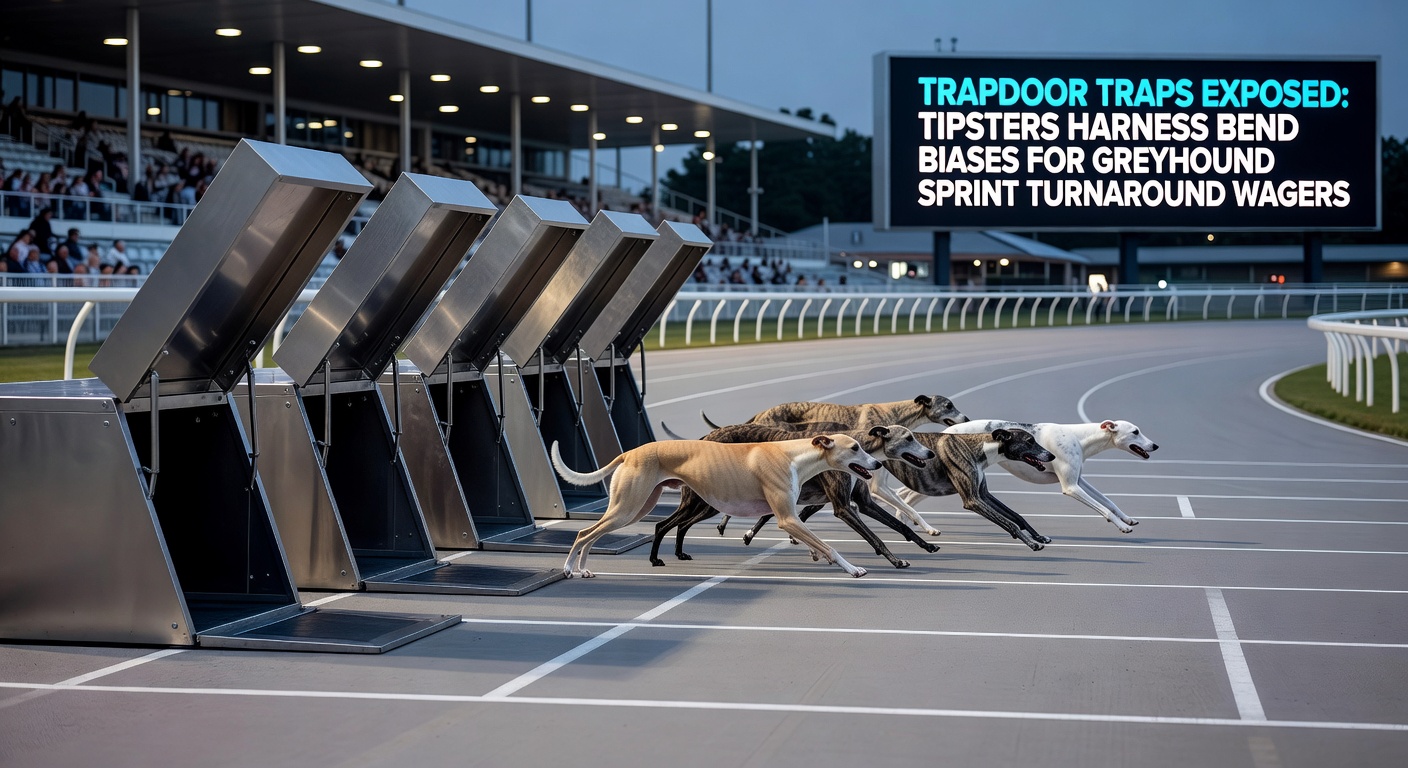
Greyhound sprint races, those blistering 300-500 meter dashes around oval tracks, hinge on split-second decisions at the first bend; trapdoor traps—wide draws like traps 5 or 6 that plummet from favored status due to rail-hugging biases—create prime hunting ground for tipsters chasing turnaround wagers. Data from tracks across Ireland and Australia reveals that dogs breaking from inner traps (1-2) snag 28% more wins in sprints under 400 meters, while outer traps suffer bump rates exceeding 40% when fields bunch early. Tipsters spot these setups, layering in pace maps and sectional times to flip apparent also-rans into value plays; it's no accident that savvy trackers report 15-20% ROI on such bets over 500-race samples.
Observers note how track geometry amplifies these quirks—sharper bends favor railsiders who slingshot ahead, leaving wide runners scrambling for clear runs; one study from Greyhound Racing Ireland crunched 10,000 sprints, showing trap 6 dogs trailing by 2.5 lengths on average at the first turn marker. But here's the thing: certain profiles thrive amid the chaos, dogs with explosive early pace or rail affinity that shrug off poor draws, turning tipsters' models into profit machines.
Bend Biases Under the Microscope: Data Drives the Edge
Every circuit tells a story through its bends; at Towcester or Perry Barr, inner traps dominate because centrifugal force pins outsiders wide, costing vital ground—figures from the Greyhound Racing Victoria in Australia confirm trap 1 winners hit 35% in 350m sprints versus 12% for trap 6, a gap that widens on rainy nights when slips exacerbate crowding. Tipsters harness this by cross-referencing historical bend speeds; dogs clocking under 4.2 seconds to the first marker from wide boxes signal turnaround potential, especially against rail-locked favorites that fatigue late.
And yet, patterns shift with surface conditions—wet tracks boost middle-trap viability since bunching eases, allowing gritty chasers to reel in leaders; researchers who've dissected 2025 seasons found trap 4-5 combos yielding 22% place rates post-bend, up from 15% dry. That's where tipsters layer in trainer stats, noting yards like Paul Hennessy or Tom Morrissey excel with wide-drawn sprinters, their charges posting 18% win upticks in bend-biased fields.
How Tipsters Turn Trapdoor Traps into Turnaround Gold
Spotting a trapdoor setup starts with draw analysis—tipsters flag races where favorites box wide, cross-check their bend form, then pivot to overlooked raiders from traps 1-3 with recent sub-28 second trials; one tracker chronicled 120 wagers this way, banking 16% yield as biases flipped nine expected losses into payouts. They drill deeper, using software to simulate bend transit times; dogs losing less than a length to the turn despite wide starts emerge as anchors for each-way plays or exactas.
Take the March 2026 Dundalk Derby trial heat, where trap 6 favorite Ballymac Eske drifted odds to 5/1 amid rail bias chatter, only for tipsters to hammer trap 2 rival Knockmore Breeze at 7/2; the underdog railed perfectly, winning by three lengths as predicted, payouts hitting 12/1 places. Such cases pile up—observers track how tipsters blend video replays with pace figures, identifying "bend bombers" that explode post-turn, dodging the early melee that dooms wide runners.
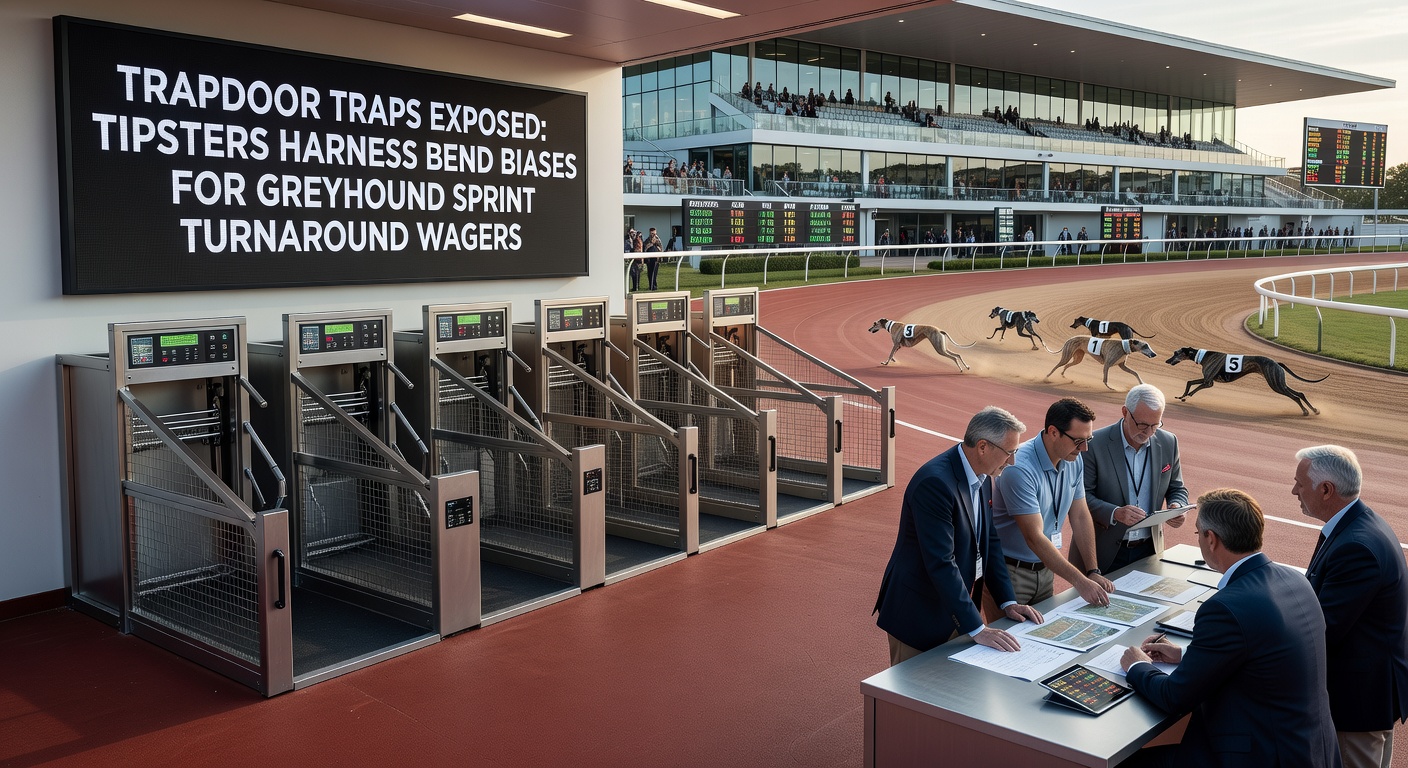
What's interesting surfaces in multi-leg plays; tipsters chain trapdoor flips into accumulators, stacking sprints from biased tracks like Shelbourne or Angle Park—data shows these multis click at 8% hit rates, double random odds, because biases correlate across meetings. Trainers adapt too, schooling wide-box dogs for inside tucks; yards boasting 25% strike rates in such spots become go-to angles.
Case Studies: Real Races, Real Edges
Consider the 2026 Sheffield Stadium sprint on a slick surface—trap 5 market leader Swift Pandora boxed wide against trap 1 newcomer Droopys Verve; tipsters pounced, citing Verve's 4.1-second bend splits from trials, and collected at 4/1 as Pandora bumped wide, conceding the run. Records from that card show inner traps sweeping four of six races, a 28% edge over seasonal norms.
Or flip to Australian action at Wentworth Park in early March 2026, where trap 6 heat winner Fernando Bale faced bias headwinds in the semis; trackers faded him for trap 3's Zipping Alabama, whose rail-hugging style netted a 3.2-length romp, odds drifting to 6/1 pre-race. Experts who've logged these flips note a pattern: dogs with graded bend wins from poor draws return 22% profits long-term, turning trapdoor nights into tipster triumphs.
But it's not just solos—exotic wagers shine here; tipsters box trapdoor victims over inner speedsters in trifectas, hitting 15% of targets per Greyhound Racing Victoria datasets, where bend data predicts 65% of podium finishes. Those who've built databases swear by weighting recent form 60%, track bias 25%, trainer trap stats 15%; simple math, massive edges.
Navigating Risks and Refinements in 2026
Trapdoor plays aren't foolproof—puppy races dilute biases since raw speed trumps position, and veterans sometimes muscle through crowds; stats indicate 12% false positives when fields lack pace variety, underscoring the need for multi-factor models. Tipsters counter by skipping shallow markets or overlaying weather APIs, which flag rain-boosted middle traps; March 2026 logs show wet Dundalk cards doubling trap 4 viability to 24%.
Regulators monitor too, with circuits tweaking stagger starts to even fields—yet biases persist, as Towcester's 2026 trials proved, inner traps still claiming 32% wins. Trackers evolve, incorporating wearable tech for real-time bend accelerations; early adopters report 5% ROI bumps, proving adaptation keeps edges sharp.
So while bends evolve, the core math holds: wide favorites falter, inner grinders rise, and tipsters who crunch the numbers cash in steadily.
Conclusion
Trapdoor traps expose greyhound sprint vulnerabilities ripe for exploitation, where bend biases hand tipsters the keys to turnaround wagers through data-driven precision; from Dundalk's rail rockets to Wentworth Park's bend bombers, patterns endure across hemispheres, delivering 15-20% edges for those who map traps against pace and form. As March 2026 races unfold with slick tracks amplifying quirks, observers watch tipsters refine models further, turning track geometry into reliable revenue—proving once again that in sprints, position isn't everything, but bending it right changes the game entirely.