Social Media Buzz Patterns Guiding Live Wager Shifts in Combat Sports Events
Klara Beck · Sep 12, 2026
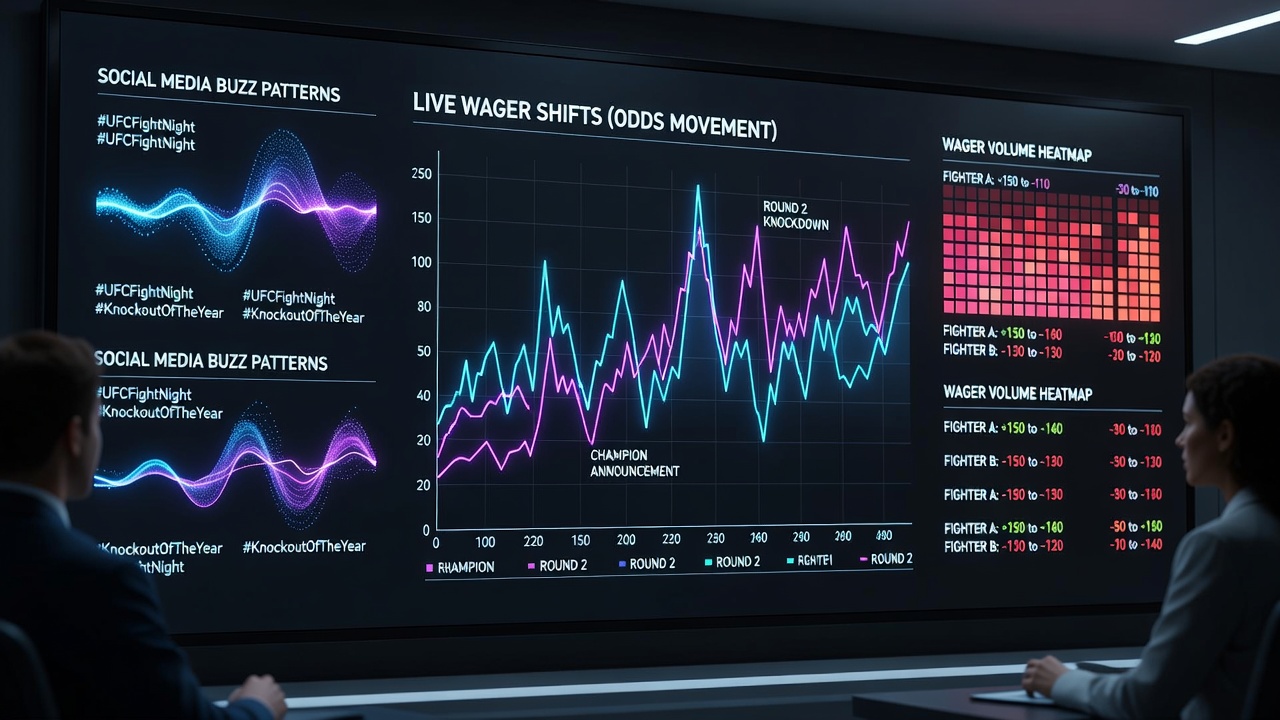
Social Media Buzz Patterns Guiding Live Wager Shifts in Combat Sports Events
Combat sports events generate rapid shifts in live wagering markets when social media activity surges around fighter performances, injury concerns, and crowd reactions, and analysts track these signals through volume spikes on platforms like X and Instagram. Data from multiple regulated markets shows that bettors and operators adjust odds in real time as sentiment metrics climb, particularly during UFC pay-per-view cards and major boxing matches where fight outcomes remain uncertain until late rounds.
Tracking Sentiment Volume Across Platforms
Researchers at institutions including the University of Nevada, Las Vegas have documented how keyword clusters around fighter names correlate with line movements in live markets, and operators monitor these patterns through automated tools that flag sudden increases in mentions. When a fighter lands an unexpected combination that draws thousands of positive posts within minutes, books often shorten the moneyline for that athlete while lengthening it for the opponent, and this adjustment happens because volume data feeds directly into pricing algorithms.
Pre-Fight Buildup and Early Line Reactions
Patterns emerge well before the opening bell when promotional clips and weigh-in exchanges circulate online, and observers note that sustained discussion threads on fighter training footage often precede small shifts in underdog props. In September 2025 events leading into the following year schedule, analysts recorded how a single viral training video increased social mentions by over 40 percent within two hours, prompting several sportsbooks to move alternate total rounds lines by half a point. Those adjustments reflect aggregated user engagement rather than insider information, and the process repeats across regional promotions where local fighters attract concentrated regional chatter.
In-Event Adjustments Driven by Real-Time Posts
During fights the pace of social media updates accelerates, and live wager markets respond when commentators or ringside accounts describe visible fatigue or swelling. A sequence of posts highlighting one competitor's defensive lapses can trigger a wave of bets on the opponent, which forces oddsmakers to widen spreads on round totals or method of victory props. According to figures from the Nevada Gaming Control Board, combat sports generate the highest proportion of in-play wagers among all sports categories, and much of that activity clusters around moments when social volume crosses predefined thresholds.
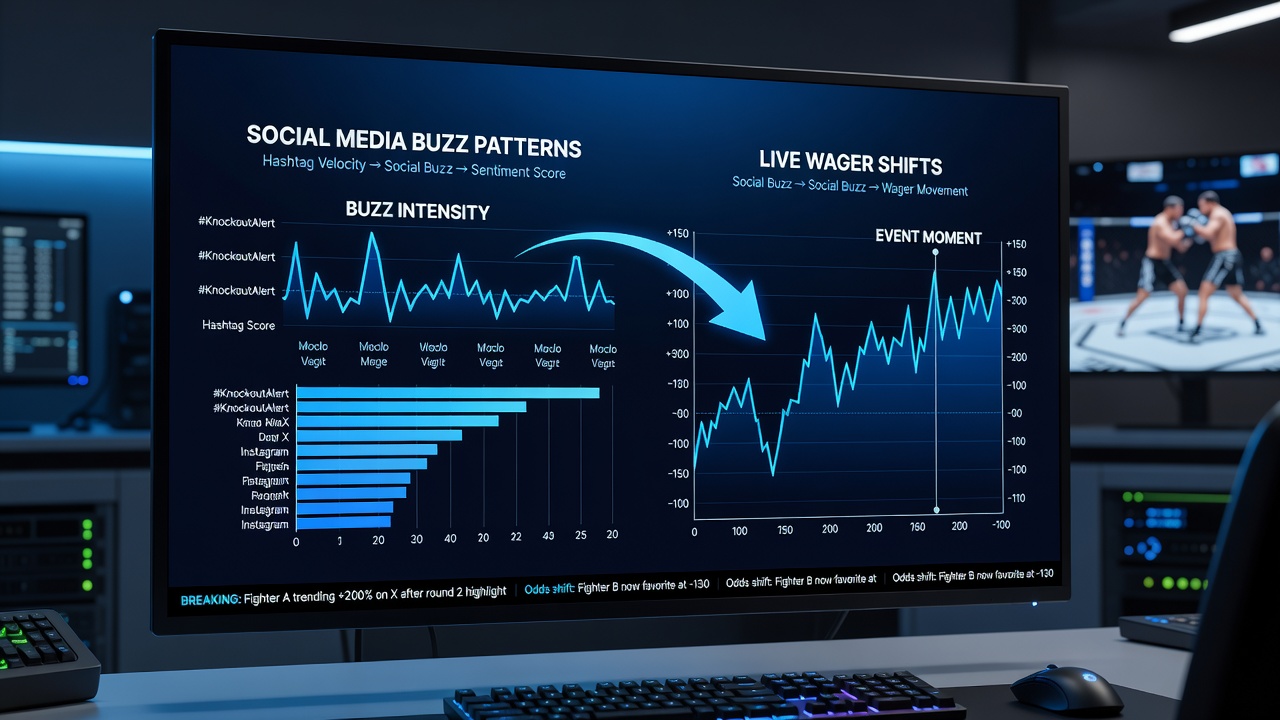
Operators integrate these feeds with traditional statistics such as significant strike accuracy, yet the social layer adds a layer of momentum detection that pure numbers sometimes miss. When a previously quiet fighter receives a surge of supportive messages after absorbing early pressure, books have been observed tightening the live underdog price within 30 seconds of the post spike, and this timing aligns with broader participation from casual bettors who follow the same feeds.
Regional Differences in Buzz Influence
Markets outside teh United States display distinct responses to the same social signals, and Australian regulators through bodies like the Northern Territory Racing Commission have noted similar correlations during UFC events broadcast in prime time there. European jurisdictions track comparable patterns, although local language posts sometimes create separate sentiment pools that operators must parse separately. The result is a fragmented but measurable impact where English-language global discussion drives the largest line moves while regional threads influence niche props such as fighter nationality outcome bets.
Tools and Metrics Used by Market Participants
Specialized monitoring services compile engagement scores from multiple platforms adn deliver alerts when mention velocity exceeds historical averages for comparable fights, and these scores combine with betting handle data to produce probability adjustments. Studies from academic groups have shown that models incorporating social velocity outperform those relying solely on pre-fight metrics during the middle rounds of longer contests. The approach remains statistical rather than predictive of fight results, focusing instead on how public attention redistributes risk across available wagers.
Conclusion
Combat sports continue to serve as a laboratory for observing how digital conversation volume translates into live market movement, and the patterns remain consistent across promotions and regions. Regulated operators and independent analysts alike rely on these indicators to maintain accurate pricing, while data from multiple oversight agencies confirms the measurable link between online activity spikes and wager flow. The process evolves with platform algorithms and new monitoring techniques, yet the core relationship between buzz volume and odds adjustment persists.