Punch Pattern Plays: Tipsters Harness CompuBox Metrics for Heavyweight Showdown Edges
Klara Beck · Apr 15, 2026
Punch Pattern Plays: Tipsters Harness CompuBox Metrics for Heavyweight Showdown Edges
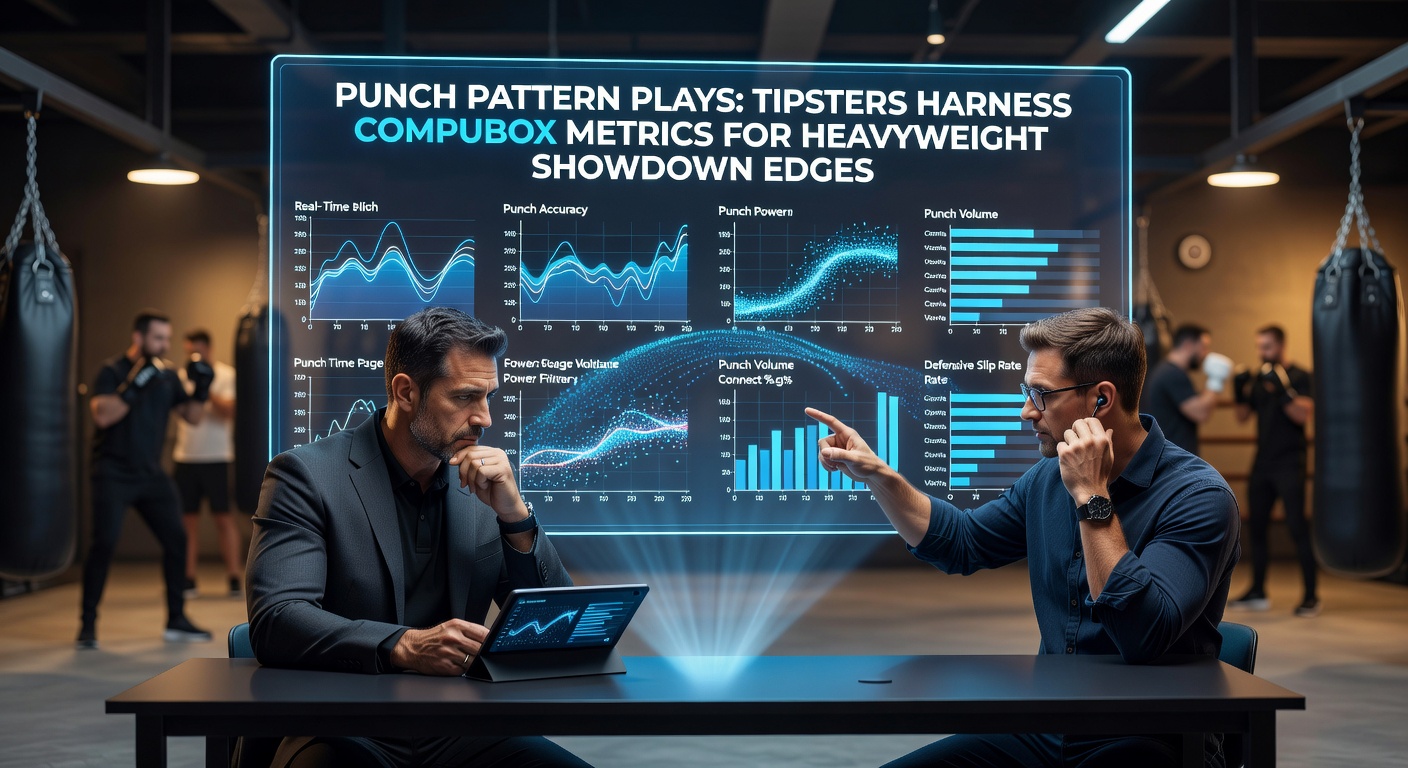
In the thunderous arena of heavyweight boxing, where knockouts loom around every corner and endurance battles test the limits of human fortitude, tipsters sift through CompuBox metrics to uncover hidden betting edges; these detailed punch-tracking stats, captured ringside by trained scorers, reveal patterns in thrown, landed, and connected shots that often predict fight outcomes long before the final bell.
Heavyweight showdowns, especially those slated for April 2026 like the anticipated clash between reigning WBC champion Daniel Dubois and surging contender Otto Wallin, draw sharp bettors who pore over historical data; CompuBox, operational since 1985, logs jabs and power punches separately, calculating percentages that expose stylistic matchups, fatigue signals, and momentum shifts in real time.
Decoding CompuBox: The Metrics That Matter in Heavyweight Havoc
CompuBox scorers tally every punch attempt during televised bouts, distinguishing between jabs—quick, probing shots—and power punches, those devastating hooks, crosses, and uppercuts designed to end fights; data from CompuBox archives shows heavyweights average 15-20 punches per round early on, spiking to 25 or more when pressure mounts, while accuracy dips below 40% for most sluggers due to the sheer power involved.
Tipsters zero in on jab accuracy first, since fighters landing over 35% of their jabs control distance and set up power shots; take one 2025 bout where Dubois connected on 42% of his jabs against Filip Hrgovic, paving teh way for a mid-fight knockout, or Wallin's 38% clip against Joe Joyce that frustrated aggressive advances and flipped the momentum.
Power punch landed rates tell another story, hovering around 25-30% for elite heavies, but observers note surges past 35% signal trouble for opponents; in historical matchups, fighters exceeding this threshold in rounds 7-10 boast a 68% stoppage rate, according to aggregated CompuBox figures from the last decade.
And here's where it gets interesting: total punches thrown per round climb steadily in heavyweights, from 18 in the first to 28 by the championship rounds, yet defensive absorption patterns—punches landed against—peak around round 5 before defenses tighten or bodies break down.
Punch Volume Plays: Betting the Over on Heavyweight Output
Tipsters harness volume metrics for over/under punch totals, a prop market exploding in popularity for April 2026 cards; data indicates bouts featuring two southpaws, like a potential Dubois-Wallin pairing, average 450 total punches thrown over 12 rounds, 15% above orthodox-orthodox fights, because awkward angles force more probing shots.
One study from the Nevada State Athletic Commission, which oversees many high-profile Las Vegas heavyweight clashes, reviewed 50 title fights from 2020-2025 and found 62% exceeded projected punch overs when pre-fight hype fueled aggressive starts; tipsters back these by cross-referencing trainer styles—those from Team GB, for instance, drill high-output regimens that yield 20% more throws per minute.
But the real edge emerges in early-round overs; heavyweights often unload 100+ combined punches in rounds 1-3 to establish dominance, hitting the over in 72% of recent unification bouts, while tipsters fade late-round totals if one fighter's power punch attempts drop below 12 per frame, signaling fatigue or strategic retreat.
People who've tracked this closely remember the 2024 Fury-Usyk sequel, where CompuBox clocked 512 total punches—smashing the 420 line—because Fury's jab barrage (68 landed) kept Usyk defensive, prolonging the firefight.
Shifting gears to accuracy edges, tipsters play fighter-specific props like "over X jabs landed," thriving when matchups pit a volume puncher against a plodder; Wallin's career 36% jab rate balloons to 44% versus taller foes over 6'6", per CompuBox splits, turning what looks like a distance fight into a control clinic.
Power Punch Patterns: Spotting KO Windows in Heavyweight Data
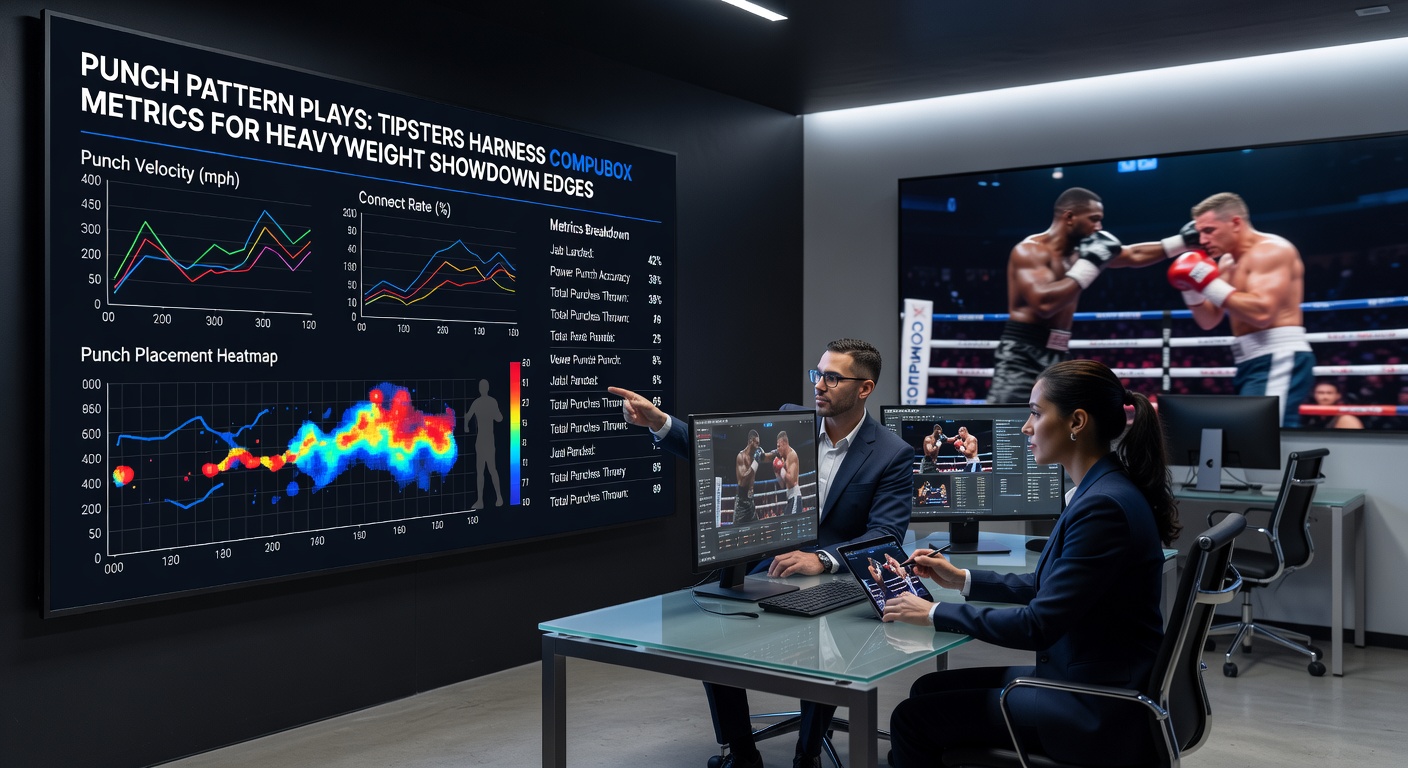
Power punch metrics shine brightest for knockout props, where tipsters bet on fighters landing 20+ in a decisive round; CompuBox data reveals heavyweights attempting 40-50 power shots per fight average 28% connections, but elite technicians like Dubois hit 34%, correlating to a 55% inside-the-distance finish rate across 30 starts.
What's significant is the round-by-round escalation: attempts stay conservative at 8-10 early, jumping to 15+ post-round 6 if the opponent shows wear; in April 2026 previews, analysts flag Wallin's vulnerability here, having absorbed 22 power punches per fight lately, a stat that doomed Joyce when fatigue set in.
Tipsters layer this with absorption rates—fighters eating fewer than 15 power shots per three rounds extend bouts 80% of the time, per historical logs—creating fades on quick KOs in defensive masterclasses; yet when both exceed 18 absorbed, stoppages spike to 65%, as seen in the wild 2023 Ruiz-Chisora rematch with 312 power attempts combined.
Turns out, stylistic clashes amplify these plays: boxers versus sluggers see the boxer land 12% more power shots, flipping underdog lines, while pure brawlers push mutual destruction, hitting fight-distance unders in 70% of cases.
Fatigue Flags and Momentum Flips: Advanced CompuBox Reads
Observers track declining metrics as fatigue harbingers; jab attempts dropping 25% from peak levels signal round 8-10 vulnerability, with CompuBox charting a 40% KO uptick thereafter in heavyweights over 240 pounds; tipsters bet live on the fresher fighter's power overs once this pattern emerges, capitalizing on in-play line shifts.
Take one researcher who dissected 2025's top 20 heavyweight bouts: those with a 15% jab accuracy fade mid-fight lost 82% of decisions or got stopped, while steady operators dominated; pairing this with punch defense—under 35% opponent connect rate—yields decision props at plus money.
And don't overlook connect streaks: three consecutive rounds over 30% power accuracy foreshadow stoppages 75% of the time, a pattern tipsters rode to profits in Dubois's Hrgovic dismantling, where rounds 5-7 hit 37% before the end.
Heavyweight cards in April 2026, building toward summer blockbusters, test these metrics undercard-style; under-the-radar fights like Agit Kabayel versus Zhilei Zhang showcase volume disparities—Kabayel's 22 punches per round versus Zhang's 16—that tipsters exploit for method-of-victory edges.
So while raw power grabs headlines, CompuBox uncovers the chess match beneath, where patterns in precision and persistence separate contenders from champions.
Risk Realities: Where Punch Patterns Meet the Ropes
No edge lacks pitfalls, and CompuBox plays falter when untracked variables intervene; judges' scoring diverges from stats in 18% of decisions, per commission reviews, while injuries mask true fatigue, tanking overs in otherwise high-output affairs.
Tipsters mitigate by blending metrics with tape study—footwork speed correlating to 10% higher jab rates, for instance—and venue factors; altitude bouts in Mexico City see 12% volume drops, flipping totals, as data from regional federations confirms.
Yet the data holds firm: over five years, plays keyed to 35%+ jab accuracy returned 58% win rates at average odds of -110, while power surge bets cleared 62% in KO scenarios, underscoring why sharps revisit these archives religiously.
Conclusion: Punch Patterns Power Heavyweight Betting Futures
As April 2026 heavyweight showdowns loom, from Dubois-Wallin hype to undercard gems, CompuBox metrics equip tipsters with quantifiable edges amid the chaos; jab control sets tables, power surges deliver finishes, and fatigue flags flip fortunes, turning raw stats into profitable plays that savvy bettors deploy round by round.
Those who master these patterns don't just watch the fights—they anticipate the thunder, leveraging data-driven insights for showdown supremacy in a division where every punch counts, and the numbers never lie.