How Barometric Pressure Readings Guide Selections in Long-Distance Racing Circuits
Klara Beck · Jun 7, 2026
How Barometric Pressure Readings Guide Selections in Long-Distance Racing Circuits
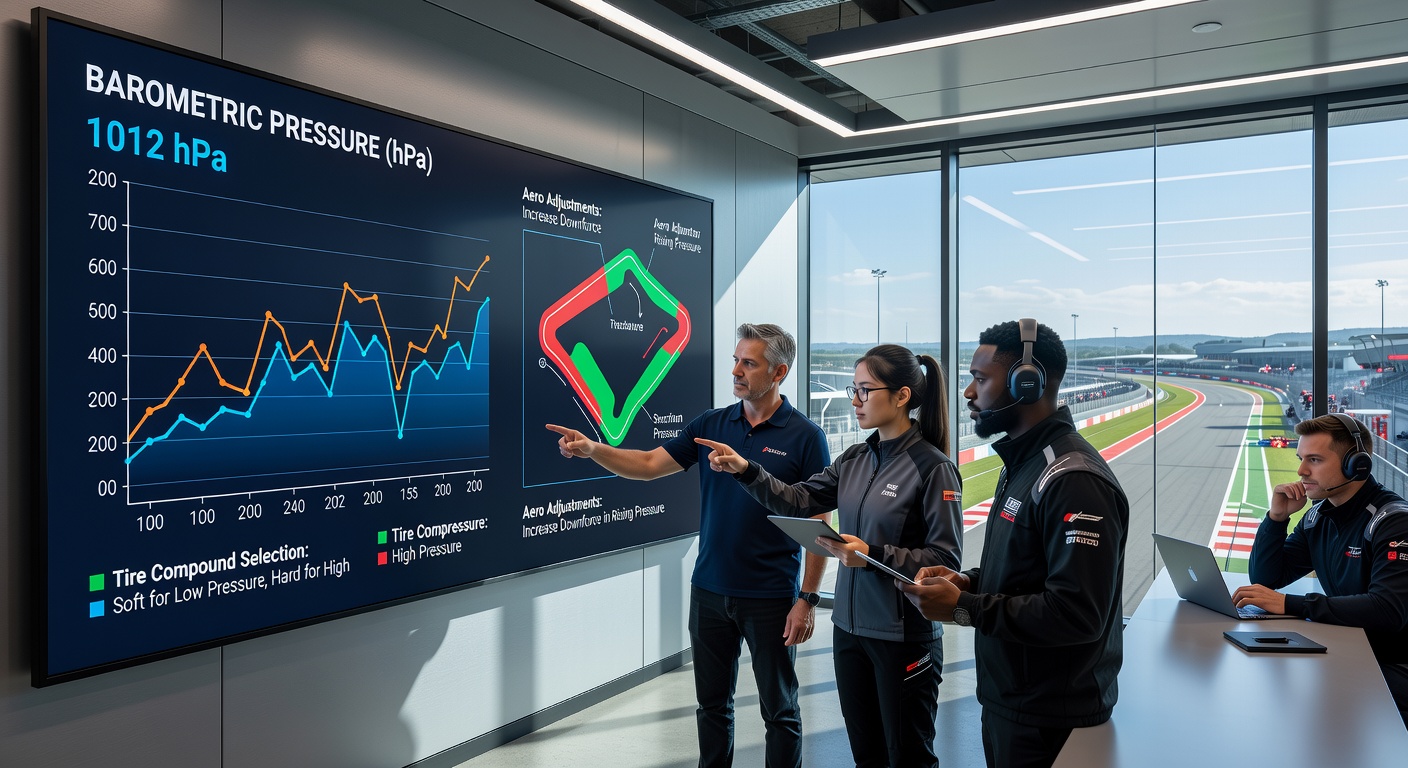
Barometric pressure readings play a direct role in how teams prepare vehicles and adjust strategies during long-distance racing events on circuits that stretch over many hours or even full days of competition. These measurements reflect atmospheric density at any given moment, and that density influences engine output, aerodynamic balance, and fuel consumption rates throughout an endurance event. Teams integrate live data from on-site sensors and regional forecasts to decide on engine mapping, tire compounds, and driver rotation schedules before and during races. Pressure changes alter the amount of oxygen available for combustion in both naturally aspirated and turbocharged power units. Lower readings mean thinner air, which reduces power unless electronic control units compensate by adjusting boost levels or fuel delivery. In contrast, higher readings increase air density and allow engines to produce more output without additional modifications. Engineers monitor these shifts continuously because even small variations compound over the distance of a 24-hour race, affecting overall lap times and reliability margins.Atmospheric Data Integration in Race Preparation
Teams collect barometric readings from multiple points around the circuit and combine them with upper-air data to build accurate performance models. These models help predict how power delivery will change as weather systems move through the area, which in turn guides choices about gear ratios, aerodynamic configurations, and brake cooling setups. Circuit layouts with long straights place greater emphasis on accurate pressure forecasting because sustained high-speed sections amplify the effects of any power deficit.
During the weeks leading up to major endurance events, meteorologists supply detailed pressure trend charts that teams cross-reference with historical race data. This process allows engineers to simulate different atmospheric scenarios on dynamometers and wind tunnels, testing how proposed setups respond to expected conditions. The resulting baseline configurations provide starting points that crews refine once on-site readings confirm actual values.
Real-Time Adjustments During Events
Once a race begins, crews continue tracking barometric pressure through portable weather stations positioned at key corners and pit lane areas. Sudden drops often signal approaching fronts that bring humidity and temperature changes, prompting immediate recalibration of engine parameters via telemetry links. Drivers receive updated instructions on throttle mapping and gear selection to maintain consistent performance despite the shifting air density.
Long-distance formats require multiple stints, and pressure trends help teams decide when to switch drivers or alter fuel loads. A sustained rise in readings might allow a team to extend a stint because improved engine efficiency reduces consumption, whereas falling pressure can force earlier pit stops to avoid running lean and risking mechanical issues. These decisions rely on continuous data streams rather than static pre-race assumptions.
Regional Weather Patterns and Circuit Characteristics
Circuits located near coastlines or mountain ranges experience more pronounced pressure fluctuations because of local wind patterns and elevation changes. Teams competing at venues such as those in the European Le Mans Series or the Australian Supercars endurance rounds incorporate location-specific data from agencies including the European Centre for Medium-Range Weather Forecasts and the Bureau of Meteorology. These sources supply high-resolution models that account for how terrain interacts with large-scale weather systems to create micro-variations around the track.
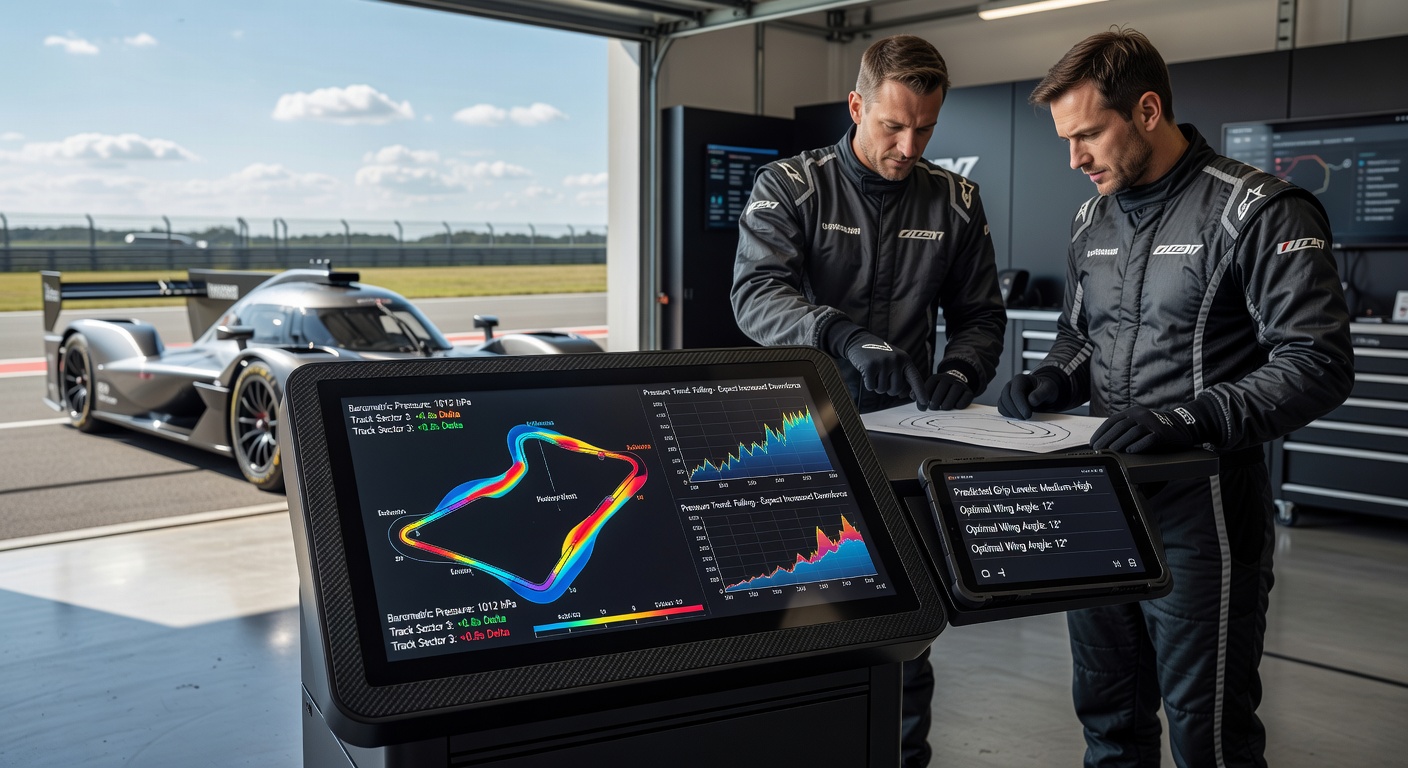
June 2026 schedules include several long-distance events where pressure monitoring will again feature prominently in strategy discussions. Organizers at circuits known for variable summer weather have increased the number of official weather stations to supply teams with granular readings every few minutes. This infrastructure supports more precise modeling of how pressure gradients affect tire wear rates and aerodynamic downforce levels across different track sectors.
Equipment and Measurement Standards
Modern racing teams deploy calibrated barometers alongside temperature and humidity sensors to create comprehensive environmental profiles. These instruments meet standards set by international motorsport federations, ensuring data consistency across competing entries. Software platforms then translate raw pressure values into performance deltas expressed in horsepower or lap-time equivalents, giving strategists clear metrics for comparison.
Calibration occurs daily because sensor drift can introduce errors that compound over long events. Teams also cross-check on-site readings against nearby official weather stations to validate accuracy before committing to major setup changes. This verification step reduces the risk of basing critical decisions on faulty measurements during high-stakes periods of a race.
Conclusion
Barometric pressure data has become an established component of technical and strategic planning in long-distance circuit racing. Teams that integrate these readings into both pre-event modeling and live decision-making gain measurable advantages in power management, fuel strategy, and component longevity. As measurement technology and forecasting resolution continue to improve, the role of atmospheric monitoring in endurance competition will expand further, providing ever-finer guidance for selections across vehicle setup and operational choices.