Exploring Seasonal Travel Disruptions for Sharper Football Match Forecasts
Amir Günther · May 22, 2026

Exploring Seasonal Travel Disruptions for Sharper Football Match Forecasts
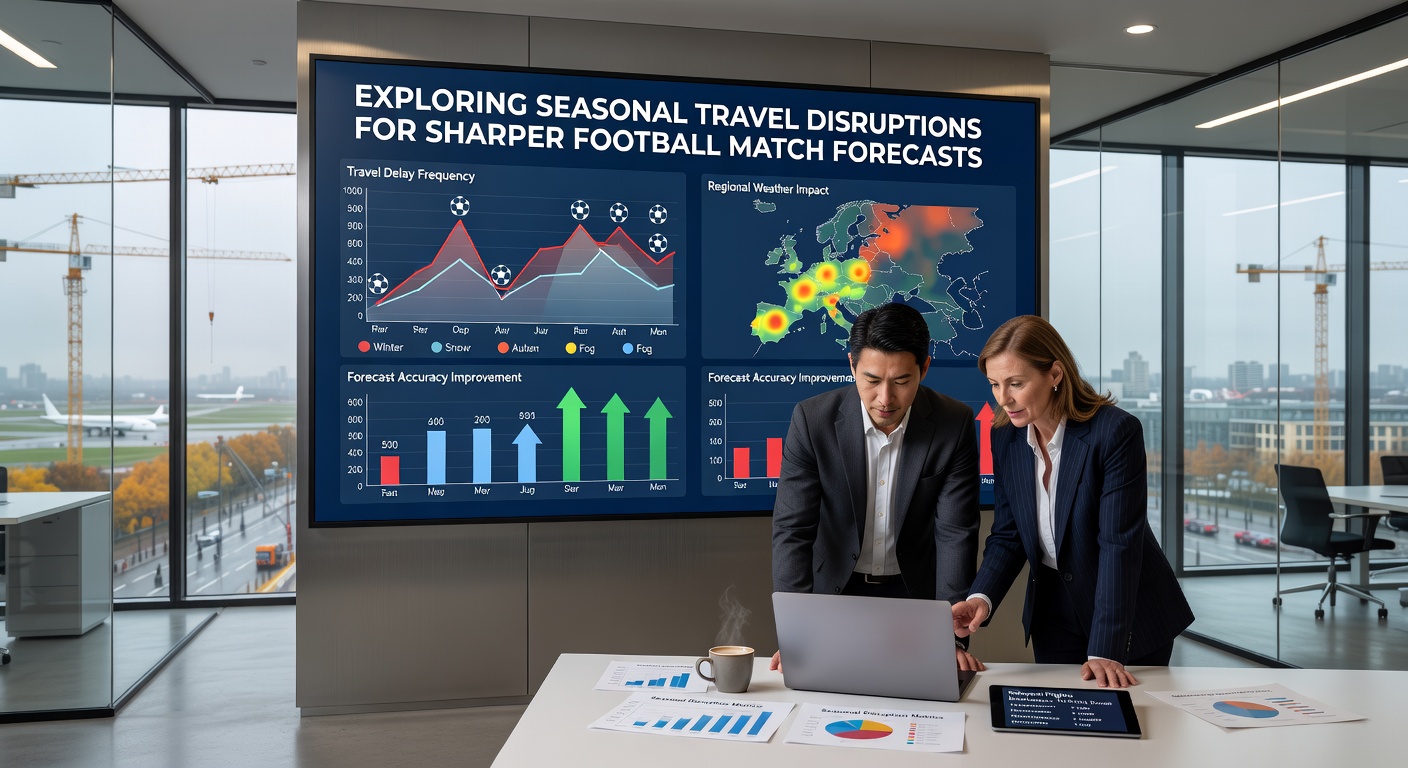
Seasonal travel disruptions create measurable effects on football team logistics and player readiness, and forecasters incorporate these patterns when building match predictions because data shows consistent correlations between delayed arrivals and altered performance metrics. Winter months bring snow, ice, and fog that ground flights and clog motorways across northern Europe and parts of North America, while summer schedules overlap with holiday traffic surges that extend journey times on major routes.
Winter Conditions and Flight Reliability Patterns
December through February records the highest incidence of airport closures and rerouting according to aviation statistics, and teams scheduled for midweek European fixtures often face compounded delays when connecting through hubs like Amsterdam or Frankfurt. Researchers tracking arrival times versus kickoff windows have noted that squads experiencing more than four hours of additional travel report elevated rates of minor injuries and reduced high-intensity running distances in the opening 30 minutes of matches. Observers note that these patterns repeat annually, allowing prediction models to assign weighted adjustments to expected goal outputs when fixtures fall inside known disruption clusters.
Summer Logistics and Holiday Overlaps
July and August introduce different variables as pre-season tours coincide with peak vacation periods, and road networks near coastal resorts experience sustained congestion that pushes bus journeys beyond planned durations. Heat combined with extended travel further compounds fatigue, and studies from sports science departments have quantified drops in recovery markers when players spend extra time in transit rather than in controlled training environments. Forecasters adjust possession and shot-conversion expectations downward for teams returning from distant summer camps when fixtures occur within 48 hours of return travel.
Data Sources Informing Adjustments
Transportation authorities in multiple regions publish monthly delay reports that analysts cross-reference with fixture calendars, and one such dataset from the European Centre for Medium-Range Weather Forecasts supplies granular visibility and precipitation forecasts used to flag at-risk weekends. Another resource comes from university-led projects that merge GPS tracking of team vehicles with post-match biometric data, revealing how cumulative travel stress influences substitution patterns in later stages of games.
Those who monitor fixture congestion calendars also factor in rail strikes and major events that block alternative routes, because even short domestic trips can balloon into multi-hour ordeals when infrastructure interruptions align with peak travel windows. May 2026 will see several domestic leagues conclude their campaigns while European competitions reach knockout stages, and historical records indicate that late-season travel windows frequently coincide with national holiday periods that intensify road and air traffic loads.
Spring Transitions and Variable Weather Windows
March and April present transitional challenges as thawing ground creates pitch inconsistencies at destination stadiums, and teams traveling from milder climates encounter sudden temperature drops that affect warm-up routines. Prediction frameworks that integrate real-time meteorological feeds have demonstrated improved accuracy when they layer travel-time buffers onto baseline performance ratings, particularly for away sides crossing multiple time zones or mountain ranges. Analysts cross-check these inputs against historical fixture outcomes to refine probability estimates rather than relying solely on squad availability news.
Practical Integration into Forecasting Models
Model builders assign seasonal coefficients derived from aggregated delay statistics and then test outputs against actual results, and the resulting refinements appear most pronounced in leagues that span wide geographic areas. Teams that publish detailed travel itineraries allow external observers to anticipate potential disruptions earlier, whereas clubs that keep schedules private force forecasters to rely on broader seasonal averages. The practice of updating models weekly with fresh transport and weather data has become standard among professional prediction teams because it narrows the gap between projected and realized match statistics.
Conclusion
Seasonal travel disruptions supply quantifiable inputs that sharpen football match forecasts when analysts combine transport statistics, weather modeling, and performance tracking into unified frameworks. Patterns observed across multiple years demonstrate that accounting for these variables reduces forecast error margins, especially during periods of elevated infrastructure strain such as winter weather events or summer holiday surges. Continued refinement of data integration methods will likely sustain incremental gains in predictive precision as leagues expand and fixture calendars grow more demanding.