Altitude variations reshape scoring dynamics in high-elevation athletic contests.
Amir Günther · Aug 26, 2026
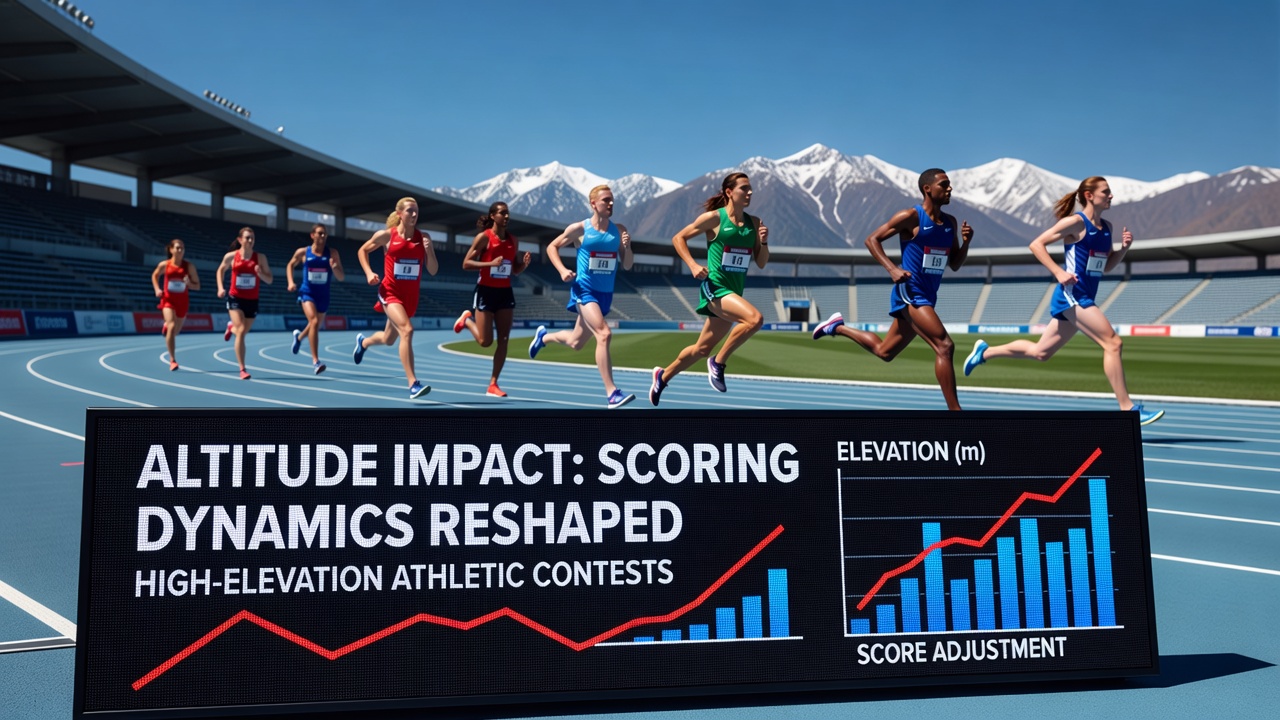
Altitude variations reshape scoring dynamics in high-elevation athletic contests.
High-elevation venues create distinct physiological demands because reduced air density and lower oxygen availability force the body to work harder during sustained efforts, and data from multiple studies show how these factors shift scoring patterns in sports ranging from soccer and basketball to distance running and cycling.
Physiological Responses at Elevation
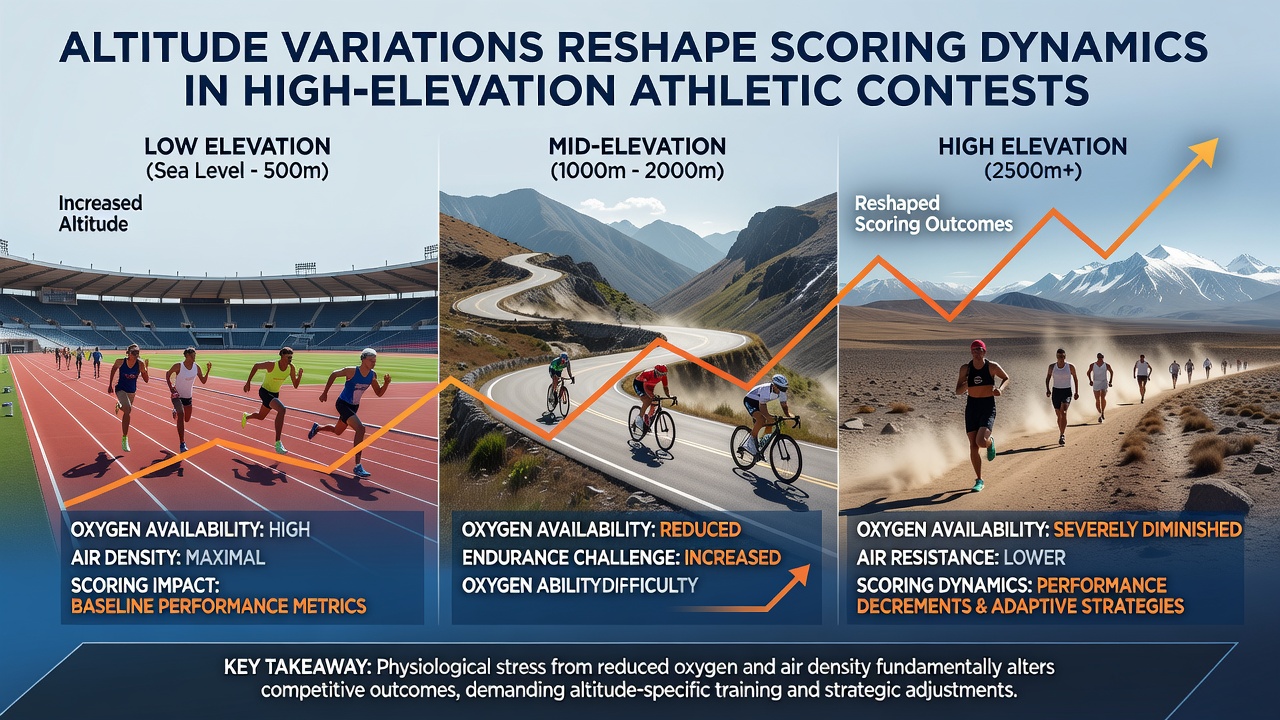
Researchers have measured decreased maximal oxygen uptake at altitudes above 1,500 meters, which leads to earlier onset of fatigue in endurance events while power-based actions sometimes benefit from reduced air resistance; the Centers for Disease Control and Prevention notes that acclimatization requires several days for red blood cell production to increase, yet many contests allow limited preparation time. Athletes experience quicker breathing rates and elevated heartbeats even at rest, and these adjustments compound during competition so that teams or individuals who train regularly at altitude often maintain higher work rates than visitors who arrive shortly before events.
Effects on Ball Flight and Team Sports
In soccer adn American football played at sites such as Mexico City or Denver, the thinner atmosphere allows balls to travel farther and faster because drag forces drop, which produces more goals or longer field goals according to performance logs compiled over multiple seasons; defensive positioning changes accordingly as players cover greater distances with each kick or throw. Basketball contests at similar elevations show increased three-point shooting percentages in some datasets because the reduced resistance extends shot range, although fatigue accumulates faster in the later quarters and leads to higher turnover rates when teams lack prior exposure to these conditions.
Endurance and Individual Sports
Distance runners and cyclists face the steepest declines in performance because oxygen delivery limits sustained power output, and records at major high-altitude races reflect slower winning times compared with sea-level equivalents; however, sprinters and jumpers sometimes record marginal gains from the same air-density reduction. One study tracked marathon participants across repeated events at varying elevations and found that pacing strategies shift dramatically above 2,000 meters, with early leaders often fading as the race progresses while those who conserve energy early post stronger finishing splits.
Training and Acclimatization Strategies
Coaches now incorporate altitude simulation tents and staged arrival schedules to mitigate disadvantages, and national federations in several countries maintain specialized high-elevation training centers that allow athletes to build tolerance before major competitions; teh Australian Institute of Sport has published protocols showing measurable improvements in repeat-sprint ability after two weeks of living high and training low. Teams scheduled for August 2026 events in elevated regions have already begun preliminary camps to align preparation timelines with expected physiological demands, and data collected during these sessions help refine in-game substitutions and hydration plans.
Documented Case Examples
Observers have noted consistent patterns at venues such as the Estadio Azteca and Empower Field at Mile High, where home squads post elevated scoring averages while visiting sides show temporary drops in both offensive efficiency and defensive recovery speed; longitudinal statistics from league archives confirm that these disparities narrow when visiting teams extend their stays or conduct pre-season altitude blocks. In track-and-field meets held at similar sites, field-event marks improve modestly while middle-distance times lengthen, creating a mixed scoring landscape that rewards specialized preparation rather than uniform talent advantages.
Conclusion
Altitude-induced changes in air density and oxygen availability continue to alter scoring distributions across athletic disciplines, and ongoing research from institutions in North America, Europe, and Australia supplies updated guidelines that help competitors and organizers anticipate these effects in future contests.